
Who were the heroes in world’s first novels?
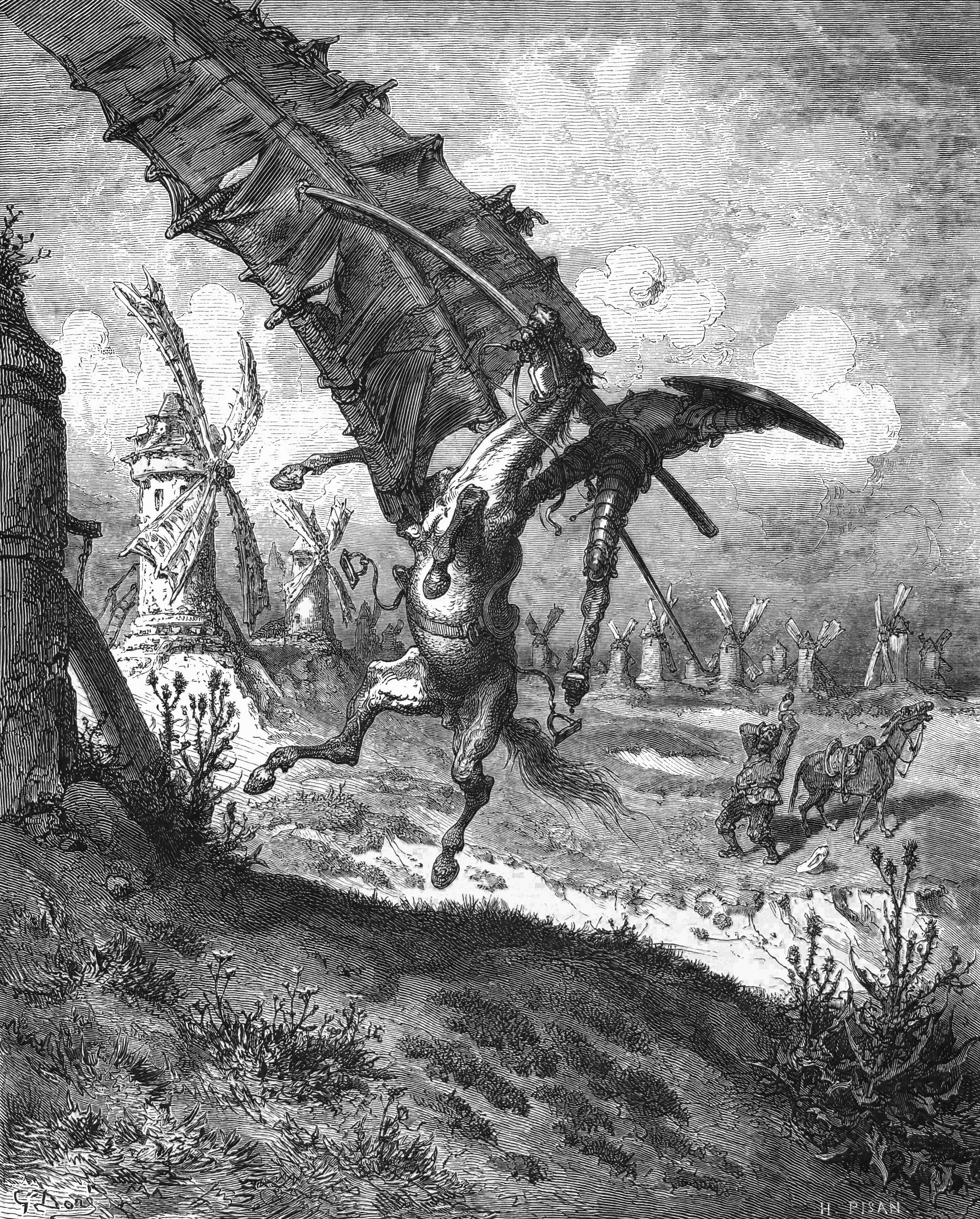
The first novel documented was written in 1008. The characters of The Tale of Genji do not possess birth names, but instead are assigned sobriquets derived from poetic exchanges. For example Prince Genji the Shining Prince – The eponymous hero of the tale, and son of an emperor. In the western world The Ingenious Gentleman Don Quixote of La Mancha, or just Don Quixote, is a Spanish novel by Miguel de Cervantes, was published in two parts, in 1605 and 1615.
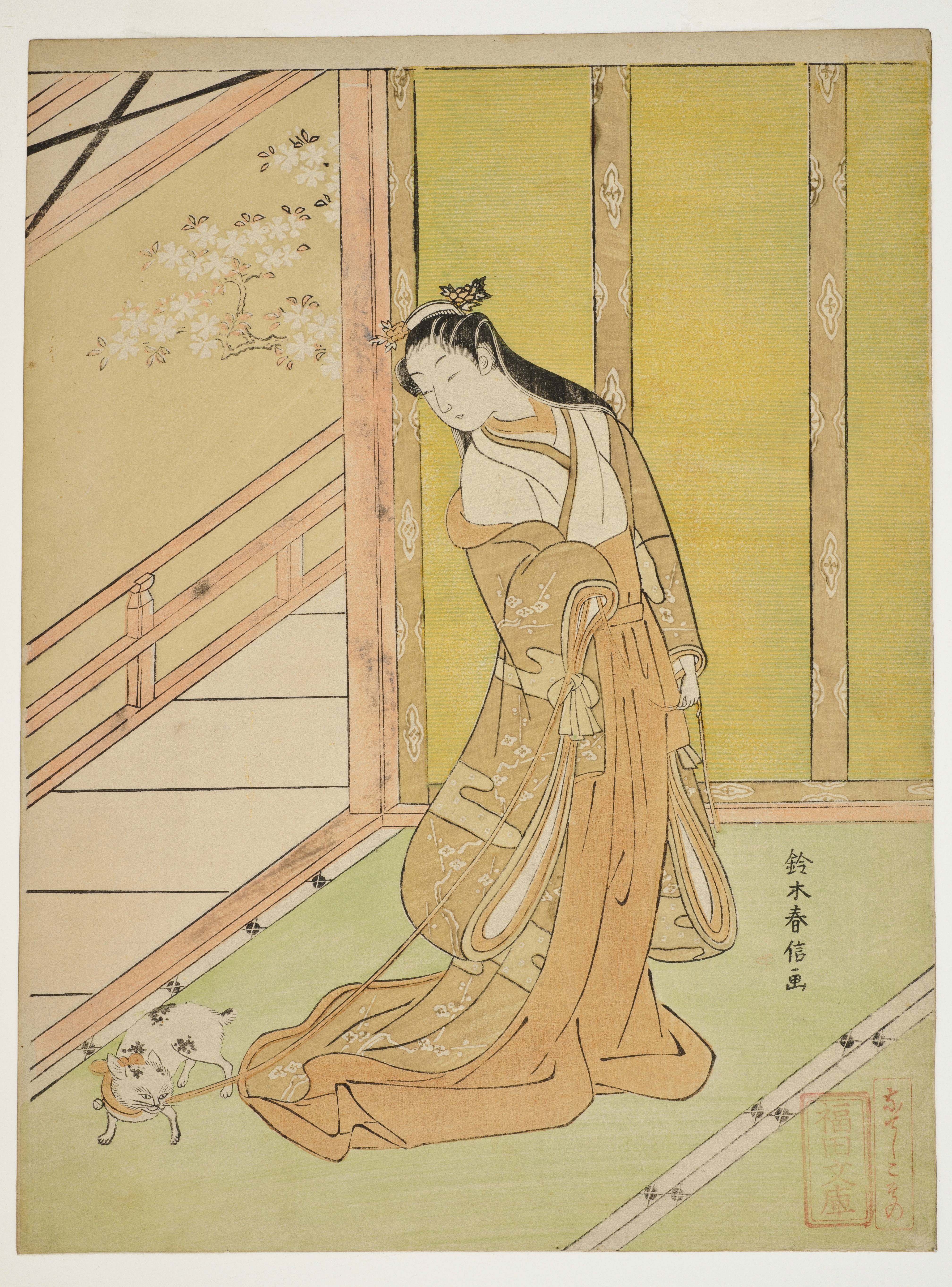
John Fagan looks at two important novels and their heroes
The Tale of Genji vs Don Quixote
The novel has a long history and has been around since the 11th century. The first novel is said to be from Japan in Murasaki Shikibu’s The Tale of Genji, written in around 1008. Before this, the Japanese focused on various kinds of poetry with short descriptions beneath each poems to explain them. This developed as the descriptions became longer and longer in that some writers decided to do away with the poem itself and keep the description about the poem. These short stories again became longer and longer in time until they developed into what we know as the novel.
Don Quixote is said to be the first modern novel written in the Western world. Published in Spain in 1605 by author Miguel de Cervantes, and although it was written almost 600 years later, it’s a story that has remarkable similarities to the Japanese masterpiece – especially when we look at the heroes of each novel.

Both heroes in literature are royalty
The central character or hero of any story in the distant past was always considered to have noble qualities and be either a king, prince, demigod, or a knight, and the novel didn’t change this from the epic poems, fairy tales, or fables it grew from. Both The Tale of Genji and Don Quixote have typical heroes about a member of the royal class, although Alonso Quixano has much less of a rank than Genji.
The Tale of Genji’s hero is a handsome young prince called Genji and the story is about his life growing up as one of the youngest sons of a fictitious emperor in Japan. It is mainly set in the royal court in what is modern Kyoto and describes over and over how beautiful and talented Genji is in not only looks but across the arts of painting, calligraphy, music, and conversation. What it also shows is Genji to be a flawed figure, struggling with love and his place in the world.
Don Quixote’s hero is Alonso Quixano, an ageing nobleman of almost 50, who is influenced by reading romance stories that he is inspired to take up the role of a knight, rename himself Don Quixote and heads out seeking adventure across Spain. Although much older, like Genji, Quixano is flawed, disillusioned with his world and yearns for something more.
Both heroes have a call to adventure
While turning into Don Quixote, Quixano has a call to adventure to act out a romantic chivalry story and gallops off in order to satisfy that. Genji’s adventure is also about discovering new women to impress and have them fall in love with him. He snoops around less affluent regions in order to find the kind of untapped beauty than his friend To no Chujo says are the best kind of women – ones that have beauty and talents beyond that of the royal court.
Both heroes have sidekicks
Genji has a few servants who follow him everywhere. In particular there’s Kogimi, who could be considered to be a traditional sidekick. He’s the younger brother of a woman called Utsusemi, who Genji wants to have an affair with. Genji uses Kogimi to exchange letters in secret and help him seduce his sister.
Quixano has Sancho Panza, a peasant that he finds on his journey and convinces to join him on his quest with the promise of improving his lowly position in life if he does. This is more in the Lone Ranger/Tonto, Batman/Robin realm of relationship as, while Genji’s is more one-sided, Quixano and Sancho are more of a partnership and have a two-way connection.
Both heroes die
Both heroes die of illness in their homes. While in The Tale of Genji continues after Genji dies with the younger generations of the royal court, Don Quixote is more of what we come to expect of modern novels and closes with the death of its hero. Quixano dies renouncing his initial call to adventure, while Genji fades out of the story and his death is told in passing.
Even though one is over a 1000 years old and the other over 400 years old, both The Tale of Genji and Don Quixote have stood the test of time and are still widely read and appreciated. This is in part down to their heroes. Reader are captivated by their journey and that’s essential for any successful story.
Come and Meet John Gerard Fagan

A Scottish writer and Creative Writing Assistant Professor. He writes in both English and Scots and in a number of genres, including Japanese historical fiction and crime noir. He moved back to Scotland in late 2019 after being in Japan for the last decade.
Do you have a point to make about literature?
Join our community
On Twitter @HappyLDNPress
& Instagram @happylondonpress
www.HappyLondonPress.com
No comments:
Post a Comment